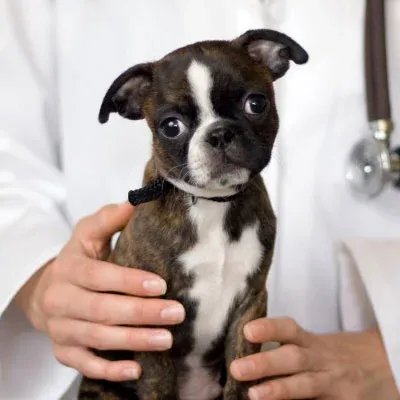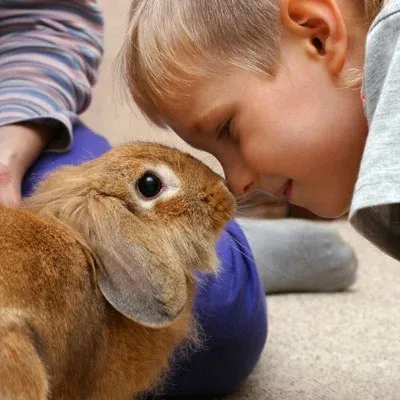
Small dogs may be compact in size, but their care needs are just as important as those of larger breeds. At Morningside Animal Hospital, your Saint Lucie County, FL, animal hospital, we work with many small-breed dog owners who want to ensure their pets stay healthy, safe, and happy throughout their lives. Understanding small dog care helps you meet their unique physical, behavioral, and medical needs.
From nutrition and exercise to safety and preventive care, small dogs require thoughtful attention. While they often live longer than large breeds, their size makes them more vulnerable to certain health concerns and injuries.
Understanding Small Breed Dog Health
Small breed dogs are prone to specific medical conditions, including dental disease, luxating patellas, tracheal collapse, heart disease, and obesity. Because of their small frames, even minor health issues can have a big impact on comfort and mobility.
Routine veterinary care allows early detection of these conditions. Regular exams help monitor joint health, heart function, and dental status, supporting long-term wellness and comfort.
Nutrition and Portion Control
Proper nutrition is a cornerstone of small dog care. Small dogs have faster metabolisms and higher calorie needs per pound than larger dogs, but overfeeding can quickly lead to weight gain. Obesity puts stress on joints and increases the risk of chronic disease.
Your veterinarian can recommend diets formulated specifically for small breeds. Portion control and consistent feeding schedules help maintain a healthy weight and support overall health.
Exercise and Mental Stimulation
Although small dogs require less space than large breeds, they still need daily exercise and enrichment. Regular walks, interactive play, and training sessions help prevent boredom, anxiety, and destructive behaviors.
Mental stimulation is just as important as physical activity. Puzzle toys, obedience training, and social interaction keep small dogs engaged and confident while strengthening the bond between you and your pet.
Dental Care for Small Dogs
Dental disease is extremely common in small breeds due to crowded teeth and shallow roots. Without proper care, dental problems can lead to pain, tooth loss, and systemic infection.
Routine dental exams and cleanings are essential for small breed dog health. At-home dental care, including brushing and dental treats, also plays a key role in maintaining oral health.
Small Dog Safety at Home and Outdoors
Due to their size, small dogs are more vulnerable to injury. Jumping off furniture, rough play with larger dogs, or accidental falls can result in fractures or joint injuries. Providing ramps or steps and supervising interactions helps reduce risk.
Outdoor safety is equally important. Small dogs are more susceptible to extreme temperatures, predators, and accidental escapes. Secure fencing, leashes, and identification help keep your dog safe at all times.
Preventive Veterinary Care
Preventive care is vital for caring for small dogs. Routine vaccinations, parasite prevention, and wellness exams protect against disease and support overall health. Regular vet visits allow for early detection of issues that may progress quickly in small breeds.
Your veterinarian will tailor preventive care recommendations based on your dog’s age, lifestyle, and health history, ensuring comprehensive protection throughout life.
Senior Small Dog Care
As small dogs age, they may experience changes in mobility, vision, hearing, and energy levels. Senior wellness exams help monitor age-related conditions and adjust care plans accordingly.
Early intervention for arthritis, dental disease, and heart conditions can significantly improve comfort and quality of life for aging small dogs.
The AKC also can be a great resource: read their article on small dog care here. You can also read the PetMD article on caring for small pups here.
FAQs About Small Dog Care
Do small dogs need different food than large dogs?
Yes. Small breed diets are formulated to meet higher metabolic needs and support dental health.
How much exercise does a small dog need?
Most small dogs benefit from daily walks and playtime, though exact needs vary by breed and age.
Are small dogs more prone to dental disease?
Yes. Their smaller mouths and crowded teeth increase the risk of dental issues.
How can I prevent injuries in my small dog?
Supervise play, use ramps or steps, and avoid situations where falls or rough handling may occur.
How often should small dogs see the vet?
Annual wellness exams are recommended, with more frequent visits for seniors or dogs with health conditions.
Visit Our Black Hills Veterinary Clinic
Caring for small dogs requires attention to their unique health, safety, and daily needs. With proper nutrition, preventive care, and regular veterinary visits, your small dog can enjoy a long, healthy, and happy life. At Morningside Animal Hospital, your Saint Lucie County, FL, animal hospital, our veterinarians provide personalized care for dogs of all sizes.
If you are looking for a trusted vet near me, contact our clinic today to schedule your small dog’s wellness visit.
This blog is for informational purposes only. Always consult your veterinarian for professional medical advice, diagnosis, or treatment for your pet.
Want to learn more about our Treasure Coast, FL animal clinic? Drop by our Services page here for detailed information about the animals we offer and the pets we see. You can also learn about our Boarding and Grooming services here.