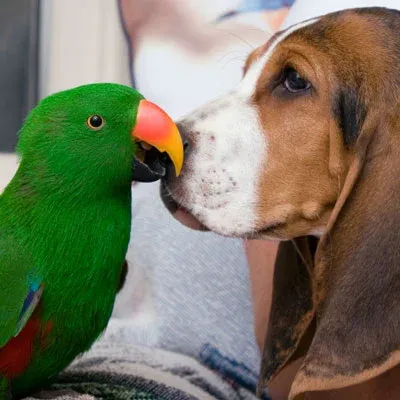
Parasites can be a serious concern for pets of all ages and species. At Morningside Animal Hospital in Treasure Coast, FL, we work with pet owners to protect their furry friends through effective pet parasite prevention strategies. Fleas, ticks, heartworms, mites, and intestinal worms can cause discomfort, illness, and even life-threatening complications. Protecting your pets from these threats is essential for their health, happiness, and longevity.
Even indoor pets can be at risk. Fleas and ticks can hitch a ride inside on shoes, clothing, or other pets, while intestinal parasites may be contracted through soil, insects, or contact with other animals. Prevention is always better than treatment, and consistent veterinary guidance helps keep pets safe year-round.
Common Parasites Affecting Pets
Understanding the most common parasites helps you take the right preventive measures. In Treasure Coast, pets can encounter:
- Fleas: These tiny insects feed on your pet’s blood, causing intense itching, hair loss, and allergic reactions. In severe infestations, young or senior pets may become anemic. Fleas can also spread tapeworms, which can infect both pets and humans.
- Ticks: Ticks attach firmly to your pet’s skin and can transmit diseases such as Lyme disease, ehrlichiosis, and anaplasmosis. Removing ticks promptly and using preventive products is crucial.
- Intestinal Worms: Roundworms, hookworms, and tapeworms can impact digestion, reduce nutrient absorption, and weaken pets. Puppies, kittens, and older pets are most susceptible. Some worms can even be transmitted to humans.
- Heartworms: Spread by mosquitoes, heartworms reside in the heart and lungs. Infection can lead to coughing, lethargy, and heart failure. Monthly heartworm prevention is essential.
- Mites: Ear mites and skin mites can cause itching, inflammation, and secondary infections. Mites often affect cats, dogs, and even pocket pets.
Seasonal Risks and Local Considerations
Parasite risks are fairly constant throughout the year in Treasure Coast:
Warm weather encourages flea and tick activity. Pets who spend time outdoors, especially in wooded areas, are at higher risk. Ticks remain active longer than in colder areas, making continued preventive care necessary. Even in colder months, mosquitoes may transmit heartworms, and indoor pets can be exposed to parasites brought inside.
Local conditions, including wooded areas, streams, and farms, can increase the likelihood of parasite exposure. Pets in rural or farm settings often require more robust preventive measures.
Preventive Measures for Pets
Effective parasite prevention combines veterinary care, environmental management, and daily monitoring:
- Routine Veterinary Exams: Regular wellness exams allow early detection and treatment of parasites. Your veterinarian may recommend fecal testing, skin exams, or blood tests depending on your pet’s species and lifestyle.
- Flea and Tick Products: Topical treatments, collars, and oral medications protect pets year-round. These products are most effective when used consistently and as directed.
- Heartworm Prevention: Dogs and cats should receive monthly heartworm preventive medication. Your veterinarian will determine the best product and schedule based on your pet’s risk factors.
- Environmental Management: Wash bedding regularly, vacuum carpets and furniture, and keep outdoor areas tidy. Reducing leaf litter and standing water lowers exposure to fleas, ticks, and mosquitoes.
- Daily Checks: Examine your pet at least weekly for parasites. Check behind the ears, under the collar, between toes, and around the tail. Prompt action prevents infestations from escalating.
Special Considerations for Different Pets
Parasite risks differ depending on the type of pet:
- Dogs: Outdoor dogs are more likely to encounter fleas, ticks, heartworms, and intestinal worms. Long-haired breeds may need extra attention to detect hidden parasites.
- Cats: Indoor cats can still be exposed to fleas, ticks, mites, and intestinal worms. Playful or adventurous cats that explore outside require extra preventive measures.
- Pocket Pets and Exotics: Hamsters, Guinea pigs, birds, reptiles, and other exotic pets may carry species-specific parasites. Careful cage hygiene, monitoring, and routine vet exams are essential.
- Farm Animals: Cattle, horses, sheep, goats, and other livestock need pasture management, deworming schedules, and veterinary oversight to prevent parasitic infestations that can impact herd health and production.
Practical Tips for Parasite Prevention at Home
Implementing preventive measures at home can significantly reduce risks:
- Inspect your pet’s coat regularly, especially after outdoor activities.
- Use a flea comb or grooming session to detect early signs of infestation.
- Maintain a clean living environment, including washing bedding and cleaning cages or habitats for pocket pets and birds.
- Remove standing water around your home to prevent mosquito-borne heartworms.
- Educate family members and staff about parasite prevention and hygiene, especially in households with multiple pets.
The American Veterinary Medical Association also has a piece on parasites in pets, which is here. The Health For Animals website has an informative article on pet parasite control here.
FAQs About Parasite Prevention
How often should I check my pet for parasites?
Pets should be checked weekly and immediately after outdoor activities. Prompt detection helps prevent serious health issues.
Can indoor pets get parasites?
Yes. Parasites can be carried into the home on clothing, shoes, or other animals. Indoor pets still need preventive care.
Are parasite prevention products safe?
Yes, when used as directed. Consult your veterinarian for species- and age-appropriate products.
What signs indicate my pet might have parasites?
Excessive scratching, hair loss, vomiting, diarrhea, lethargy, or visible worms in feces can indicate parasitic infestations.
Can parasites affect humans?
Yes. Fleas, ticks, and intestinal worms can transmit diseases to humans. Children, older adults, and immunocompromised individuals are especially at risk.
Should pocket pets and exotic pets also receive preventive care?
Absolutely. Even though the types of parasites differ, routine monitoring, cage hygiene, and veterinary guidance are crucial for their health.
How can I protect farm animals from parasites?
Implement rotational grazing, regular deworming schedules, proper nutrition, and routine veterinary herd checks to prevent infestations in cattle, sheep, goats, and other livestock.
Protect Your Pets With Expert Guidance in Treasure Coast
Taking proactive steps in pet parasite prevention keeps your pets healthy and safe. At Morningside Animal Hospital in Treasure Coast, FL, our veterinarians can help you create a tailored parasite prevention plan. We recommend the most effective products for your pets, provide guidance on environmental management, and ensure each animal in your care receives proper attention. If you’re searching for a vet near me, call or visit our clinic to schedule a wellness exam and safeguard your pets from harmful parasites today.
This blog is for informational purposes only. Always consult your veterinarian for personalized advice, diagnosis, or treatment plans for your pets and follow their guidance.
Want to learn more about our Treasure Coast, FL animal clinic? Drop by our Services page here for detailed information about the animals we offer and the pets we see. You can also learn about our Boarding and Grooming services here.